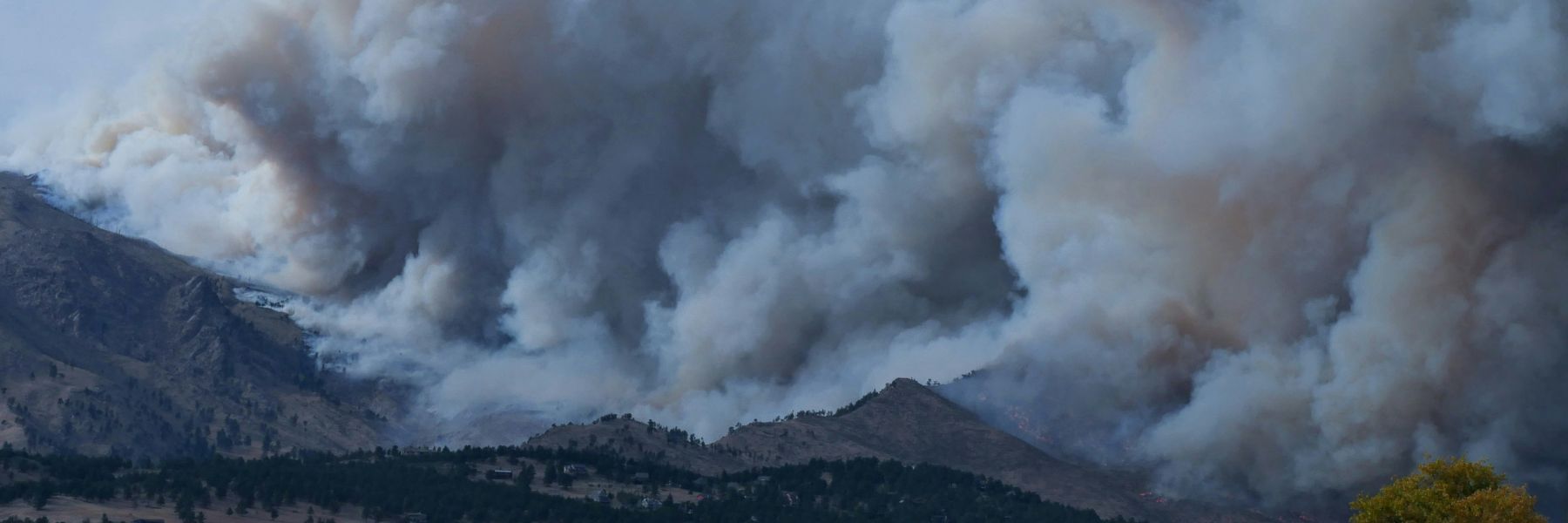
THE FIRE FIGHTS BACK
Climate action is sometimes framed as a choice: should we focus on reducing emissions, or should we prepare for the impacts of a changing climate?
The answer is simple: we need both.
Reducing emissions remains the most important long-term solution to limiting climate change. But communities are already experiencing the impacts today, from longer wildfire seasons and extreme heat to changing weather patterns that affect the places we ski, ride, hike, paddle, climb, and explore.
It’s not the chicken or the egg. It’s both.
When people talk about climate action, the conversation often focuses on reducing emissions: transitioning away from fossil fuels, building cleaner energy systems, and lowering greenhouse gas emissions. This work is essential. It is the only way to limit how much climate change worsens in the future.
But wildfire shows why adaptation is also part of climate change.
Did you know that wildfire is both a consequence AND a contributor to climate change?
The 2023 wildfire season was one of the most extreme on record. Research published in Nature estimated that Canada's 2023 wildfires released the equivalent of approximately 2.4 billion tonnes of CO₂ into the atmosphere.This creates a difficult feedback loop: climate change increases wildfire risk, and extreme wildfires release emissions that make climate action even harder.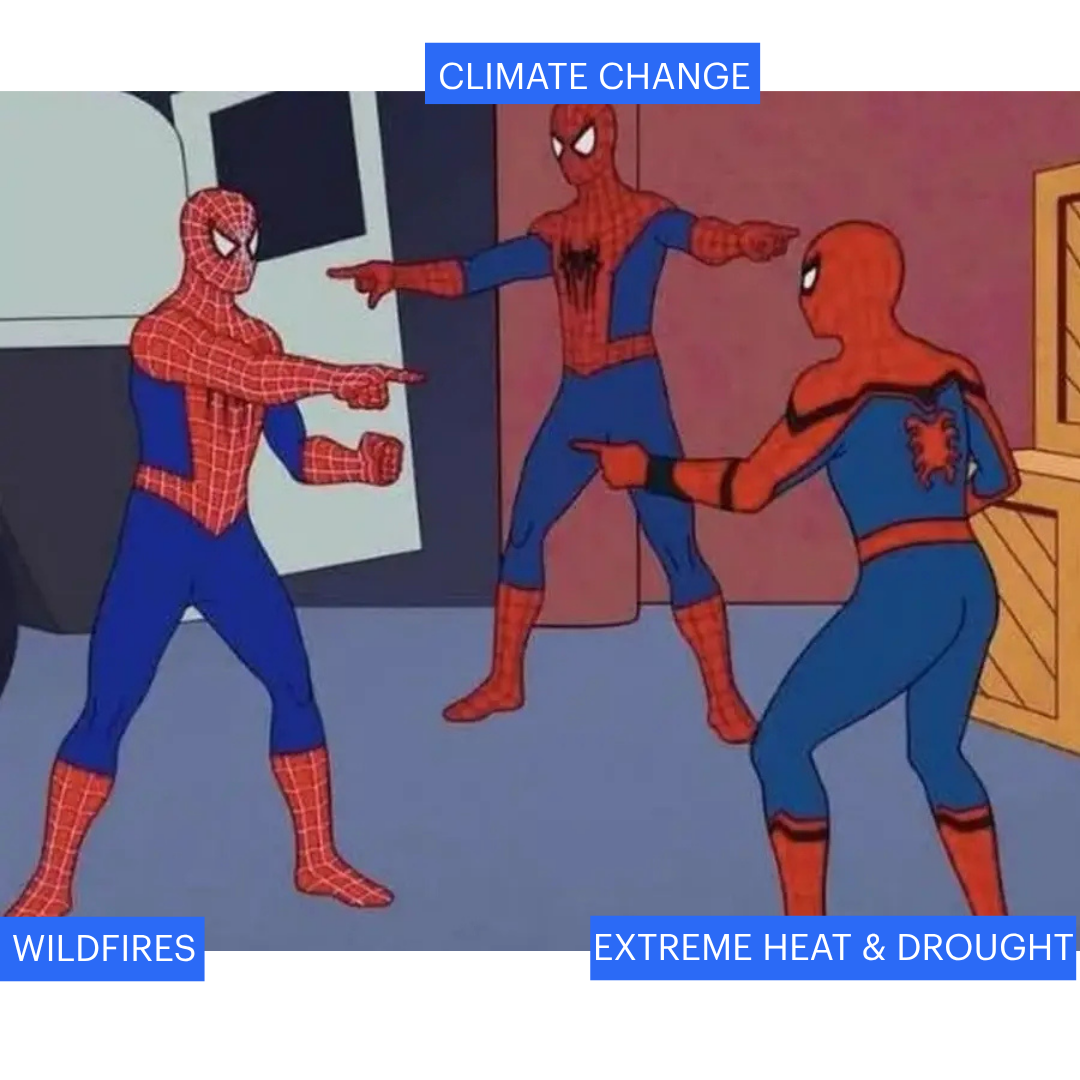
That’s where adaptation comes in.
Reducing the scale and severity of wildfires through better detection, preparedness, and response is not just about protecting communities, it’s also part of reducing climate impacts.
For wildfire, that means:
-
finding fires sooner before they become catastrophic;
-
improving firefighting capacity and response times;
-
supporting communities with the tools and training they need;
-
recognizing Indigenous leadership and traditional fire stewardship practices.
Adaptation does not mean accepting climate change as inevitable. It means protecting people and places while we continue addressing the root causes.
So why is POW focusing on wildfire preparedness you may ask?
Our mission has always been about protecting the outdoor places we love from the impacts of climate change. That means both reducing emissions and preparing communities for the changes already underway.
With Fire Season, we're asking Canada to invest $4.1 billion over five years in a stronger national wildfire strategy focused on:
-
Find fires sooner by investing in better wildfire detection using drones, higher-frequency satellite imagery, and Indigenous fire guardians so small fires can be found before they become major disasters.
-
Respond faster by modernizing firefighting aircraft, equipment, and response capacity so communities have the resources they need when every minute counts.
-
Prepare before disaster strikes by expanding training and equipment so firefighters and communities are better prepared for longer, more extreme fire seasons.
If you also believe Canada needs to be better prepared for the fire seasons ahead, add your name to our petition. Because protecting the outdoors means taking action on the challenges we’re facing today while continuing to build a better future.