A Project with Province-Wide Consequences
A proposed open-pit mine near Rossland, B.C., has not been subjected to a full environmental assessment and consultation with Indigenous Nations whose ancestral lands and rights would be directly affected. This leaves the community with unresolved questions around environmental, governance, economic and health risks. The resulting court decision has implications for communities across British Columbia.
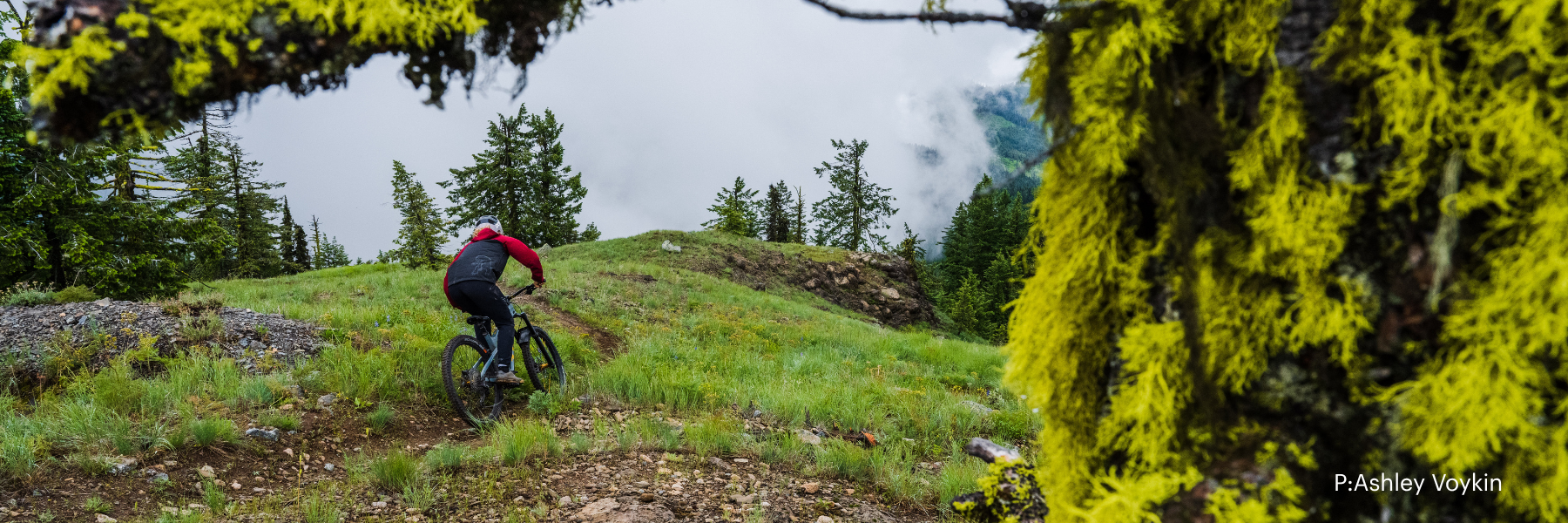
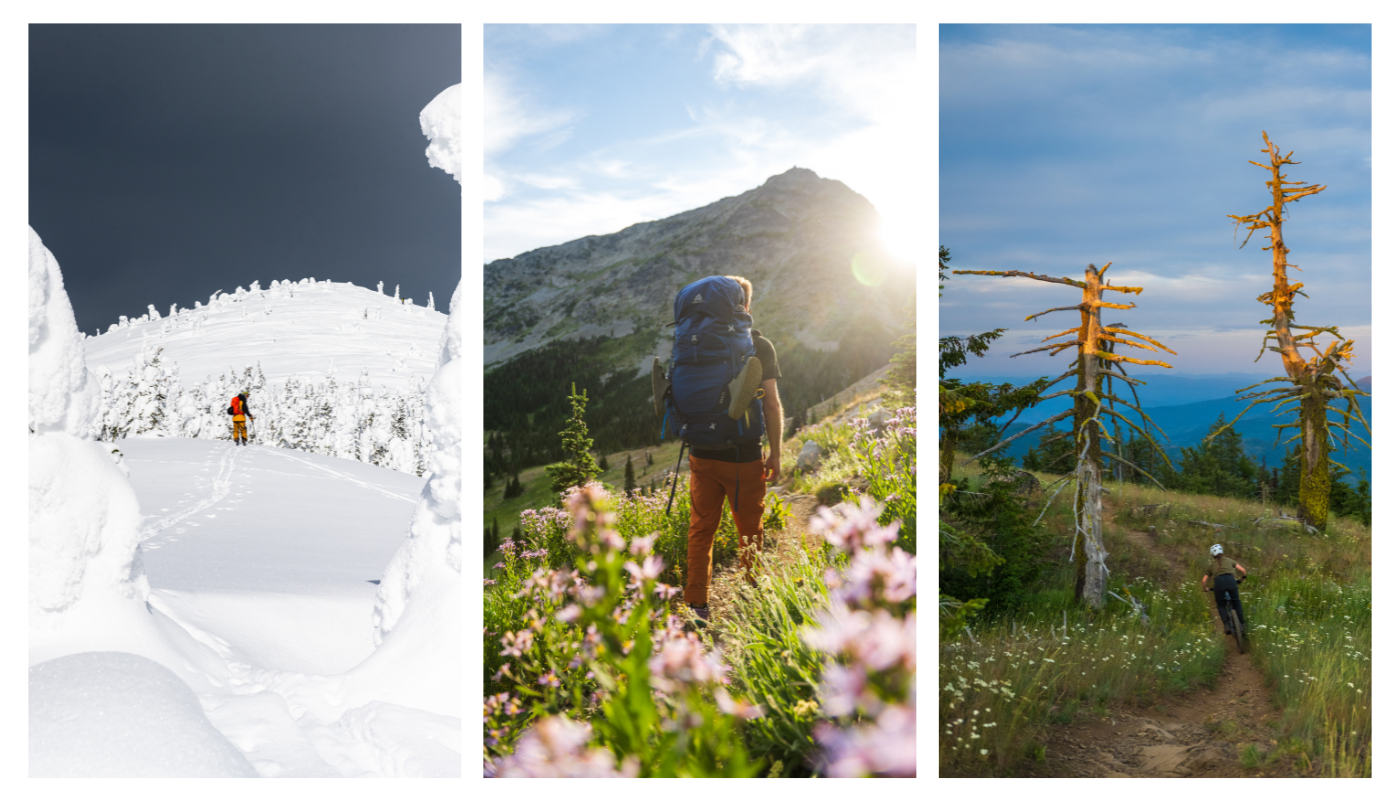
On any given day in Rossland, you’ll find people earning their turns in the backcountry, riding long alpine singletrack, or squeezing in a trail run or mountain bike ride before work. It’s the kind of place where powder days shape schedules, where group chats revolve around trail conditions, and where you’re just as likely to run into friends at the skin track as you are at the local brewery after.
Sound familiar?
That’s because communities like Rossland are part of the same outdoor culture that connects POW Canada members across the country. And right now, that community is fighting to protect a place they know intimately: Record Ridge.
TAKE ACTION HERE
About the project
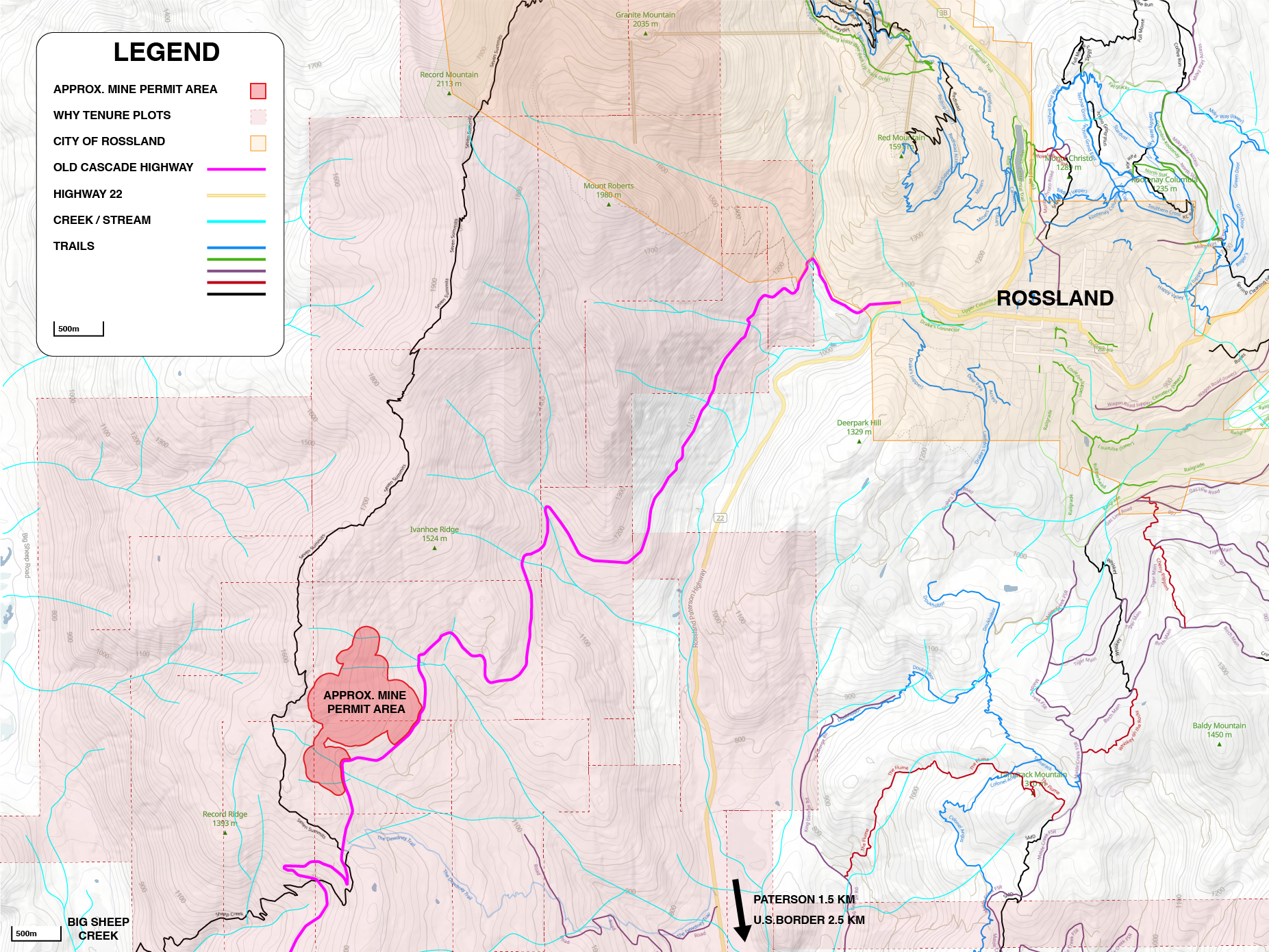
The proposed open-pit mine site is located 200 metres from a section of the Seven Summits Trail, a 35-kilometre mountain biking trail recognized by the International Mountain Bicycling Association as one of 53 “EPIC” trails around the world.
It’s also just seven kilometres southwest of Rossland, making it the closest open-pit mineral mine to any B.C. municipality. This is where both environmental and health concerns kick into high gear.
Why this matters beyond just one ridge
In early March, the B.C. Supreme Court granted an injunction, thanks to years of effort from the Save Record Ridge Action Committee (SRRAC), temporarily halting early work on the project while the Court considers whether the Province was right to allow the project to proceed without a full environmental assessment.
This is a result of a passionate community showing up, packing the courthouse and challenging the province’s decision to ensure the process used to evaluate projects like this holds up.
What started as a local concern has quickly gained traction across the province, and beyond*. Because the question isn’t just about Record Ridge. It’s this: if a project can sidestep environmental review here, where else could it happen?
Rossland’s economy is built on year-round outdoor recreation, for both locals and tourists. The region attracts visitors from across Canada and the U.S., supporting a tourism economy valued at roughly $40 million annually and contributing to a provincial sector worth billions. Imagining a mine just 200 meters from the Seven Summits Trail is hard to reconcile.
But more than that, it’s about something less quantifiable: trust that there are legitimate avenues communities can take to effectively address concerns and protect the places people depend on. That's why SRRAC is calling for a full environmental assessment.
What happens next
In early June 2026, a judge ruled that the mine does not require an environmental assessment - a decision being appealed by SRRAC. Another judicial review has also been filed regarding the mine permitting process, but it’s on hold for now.
While this is just one process about one particular project and its potential environmental assessment, it also has consequences for how environmental decisions are made across British Columbia, and how outdoor recreation is valued alongside other industries.
We’re sharing this story to help amplify the work being led by SRRAC. If you want to learn more about the project, the legal challenge, or how to support, head to their website:
Photos: Ashley Voykin
*: Critical minerals collide with tourism in B.C. resort town (Business in Vancouver); Mining Created This BC Town. Now It Opposes a New Project (The Tyee); Controversial B.C. magnesium mine can bypass environmental review, rules judge (Business in Vancouver)
If you stumbled upon this page and are not a POW Canada member, sign up here and help us reach 60,000 members! Because with 60k, we can influence policy-makers and drive real change for the outdoor places we love. It takes 20 seconds, no cost, just your email.